Project
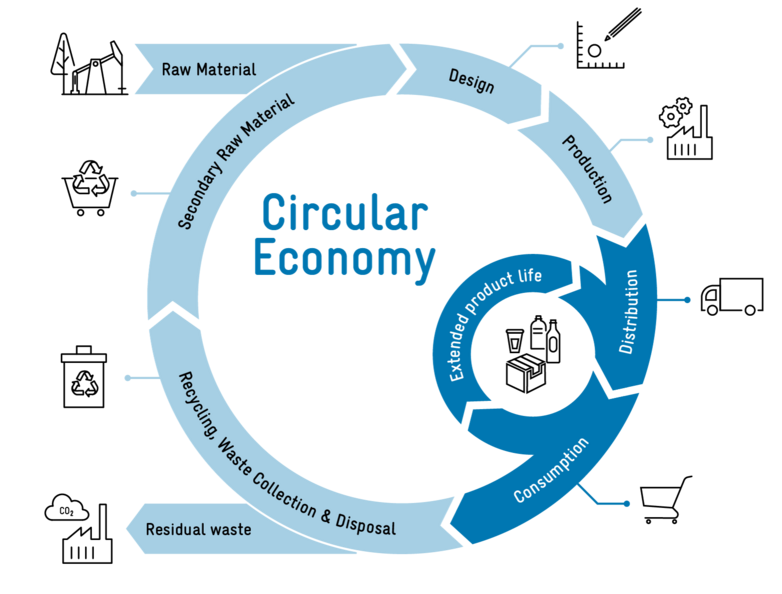
CircEDU is at the forefront of transforming education by integrating Circular Economy (CE) principles into schools, empowering teachers with digital tools, and inspiring students to embrace sustainability. As climate change and resource challenges grow, this project ensures that education becomes a driver of innovation, collaboration, and action toward a more sustainable future. Together, we’re shaping generations to build a resilient and circular world.
This WP is responsible for overseeing the coordination, operational management, and financial administration of the CircEDU project. It ensures that all activities are executed efficiently, on schedule, and within the allocated budget.
- Establishing a Steering Committee to oversee project implementation.
- Financial and time management, ensuring compliance with Erasmus+ regulations.
Conducting regular monitoring and evaluation meetings.
- Implementing a risk management plan to mitigate potential disruptions.
- Ensuring inclusive and digital-friendly approaches in all project activities.
- A well-managed project with smooth execution of activities.
- Transparent financial reporting and accountability.
- Risk assessment and mitigation strategies effectively implemented.
- Engagement of all partner organizations in collaborative decision-making.
To equip educators with the knowledge and tools to integrate Circular Economy (CE) into secondary education through training and collaboration.
- Conducting a study on Circular Economy approaches in partner countries' secondary education curricula.
- Creating a Circular Economy Initiatives Map documenting successful practices.
- Developing a teacher training program on Circular Economy and AI applications.
- Organizing workshops and webinars to disseminate knowledge.
- A study report on Circular Economy approaches in education.
- A digital map showcasing successful Circular Economy initiatives.
- A training program that enhances teacher competencies in sustainability education.
- Increased teacher collaboration through replication workshops and webinars.
To create an online repository of curated educational materials and best practices to support teachers in implementing Circular Economy concepts in classrooms.
- Defining a curation process for collecting and categorizing educational resources.
- Developing lesson plans and project templates related to Circular Economy.
- Establishing a Community of Practice (CoP) for teachers to exchange ideas.
- Implementing a strategy to promote the Knowledge Hub and increase user engagement.
- A CircEDU Knowledge Hub with categorized educational resources.
- A collection of high-quality lesson plans and teaching materials.
- A Community of Practice where educators collaborate and share insights.
- Increased accessibility to teaching resources on Circular Economy and AI.
To engage students and teachers in practical sustainability challenges, fostering hands-on experience with Circular Economy concepts.
- Designing interactive challenges focused on sustainability topics like waste reduction and sustainable transport.
- Providing guidelines and templates for teachers to implement these challenges in their classrooms.
- Launching an online campaign to promote and encourage participation in these challenges.
- Organizing local and online events to share experiences and discuss results.
Developing policy recommendations for integrating Circular Economy into education.
- Creation of 21 sustainability challenges for students.
- Active participation from 50 teachers and 200 students.
- Increased awareness and engagement in sustainability issues.
- A final report with best practices and policy recommendations for national and EU-level education reforms.